Gas or Electric Water Heater? Choosing a Replacement in North Alabama
Replacing a water heater in Huntsville, Madison or Decatur? How gas, electric and tankless compare, and when a repair still makes sense.
By ABD Plumbing · · 5 min read
When a water heater quits, the first question is usually “repair or replace?” If the answer is replace, the next one is what to put in. Most homes in Huntsville, Madison and Decatur have a gas or an electric tank. A few have tankless units. Here is how the three compare, and what changes if you switch from one to another.
First, is it time to replace?
Not every cold shower means a new heater. On a gas tank, a worn thermocouple, a dirty pilot or a failing gas valve can stop the heat. On an electric tank, a burned-out element or a bad thermostat is common. Those parts can be replaced, and the tank goes back to work.
A leak is different. Water under the tank, a wet base or rust along the bottom seam usually means the tank has failed. A tank can’t be patched, so that is when replacement makes sense. Other signs point the same way:
- Rusty or brown hot water from every tap
- Popping or rumbling while the tank heats
- A tank that runs out of hot water much sooner than it used to
- An older tank that keeps needing repairs
Age matters too. Many tank heaters last around 8 to 12 years, depending on the water and how the tank was cared for. The date is usually coded into the serial number on the label. If your tank is in that range and starting to fail, putting money into repairs may not pay off.
If you aren’t sure which side of the line you’re on, a water heater repair visit starts with the heater itself. You hear the fix before any work starts.
Gas tank water heaters
A gas tank burns natural gas or propane under the tank. It needs a gas line, a shut-off valve and a vent that carries exhaust out of the house.
What people like about gas: it usually heats water back up faster than an electric tank of the same size. In a busy house, with showers back to back, that recovery time matters. Gas tanks also keep heating during a power outage in most cases, since many models don’t need electricity to run.
What to keep in mind: the vent has to be right. A new gas tank gets connected to a proper vent, and the flue has to draw the exhaust out. It also needs a new gas connector and room around it for air.
Electric tank water heaters
An electric tank heats water with one or two elements inside the tank. It needs a dedicated 240-volt circuit and no vent.
What people like about electric: there is no flame, no flue and no gas line. That makes it simple to place, including in closets and garages where a vent would be hard to run. There are also fewer parts to wear out. Most repairs come down to an element or a thermostat.
What to keep in mind: an electric tank takes longer to recover. Does your house use a lot of hot water in a short time? Then you may want a bigger tank than you would pick with gas.
Tankless water heaters
A tankless heater warms water only when a tap is open. There is no stored tank of hot water, so it doesn’t run out the way a tank does.
What to keep in mind: a tankless unit is sized by flow, not gallons. It has to heat enough water, fast enough, for the fixtures you run at the same time. A gas tankless model often needs a larger gas line and a different vent than the tank it replaces. An electric tankless model often needs more electrical capacity than a tank does. That work is part of the job, so it pays to plan for it up front.
Should you switch from gas to electric, or the other way?
Replacing like for like is the simplest job. The gas line, vent or circuit is already there, and the new tank connects to what you have.
Switching fuels is possible, but it adds work:
- Electric to gas needs a gas supply at the heater and a vent path out of the house.
- Gas to electric needs a new 240-volt circuit run to the heater, and the old gas line capped off safely.
For most homes, sticking with what the house already has is the most practical choice. If you are remodeling, or the current setup has been a headache, it is worth talking through the switch.
Small parts that matter on a new install
Whatever you choose, a few parts around the heater make a big difference:
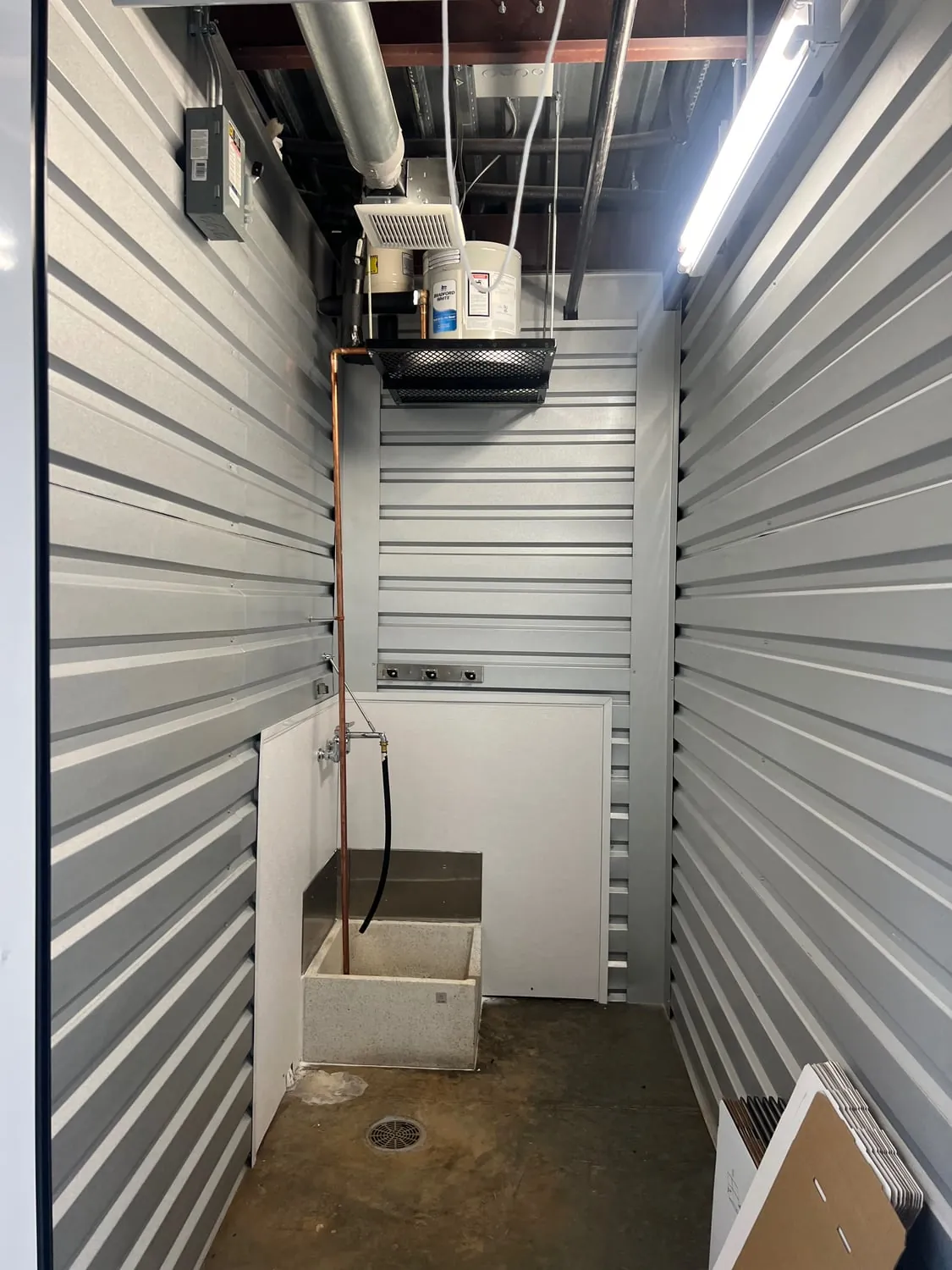
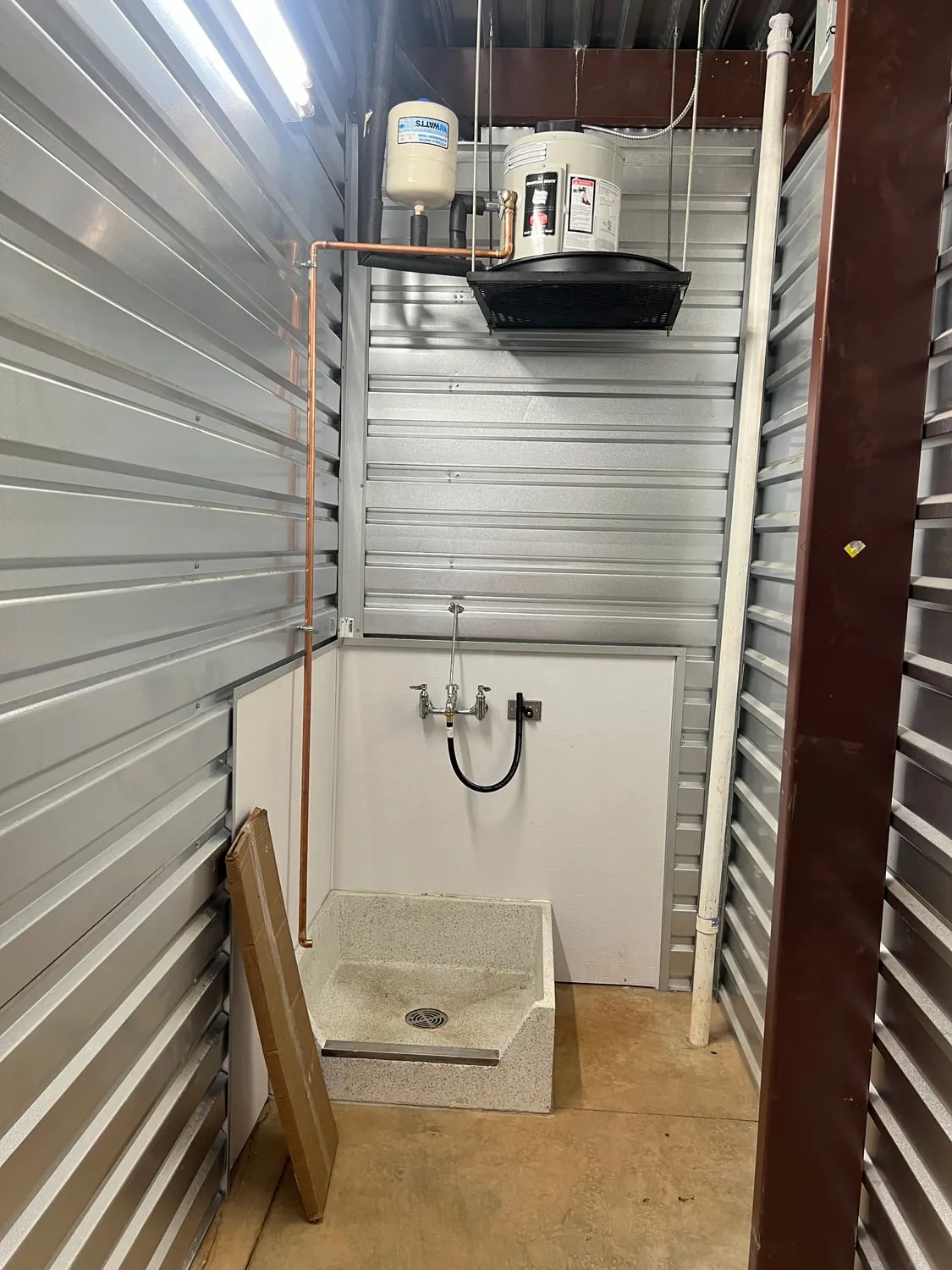
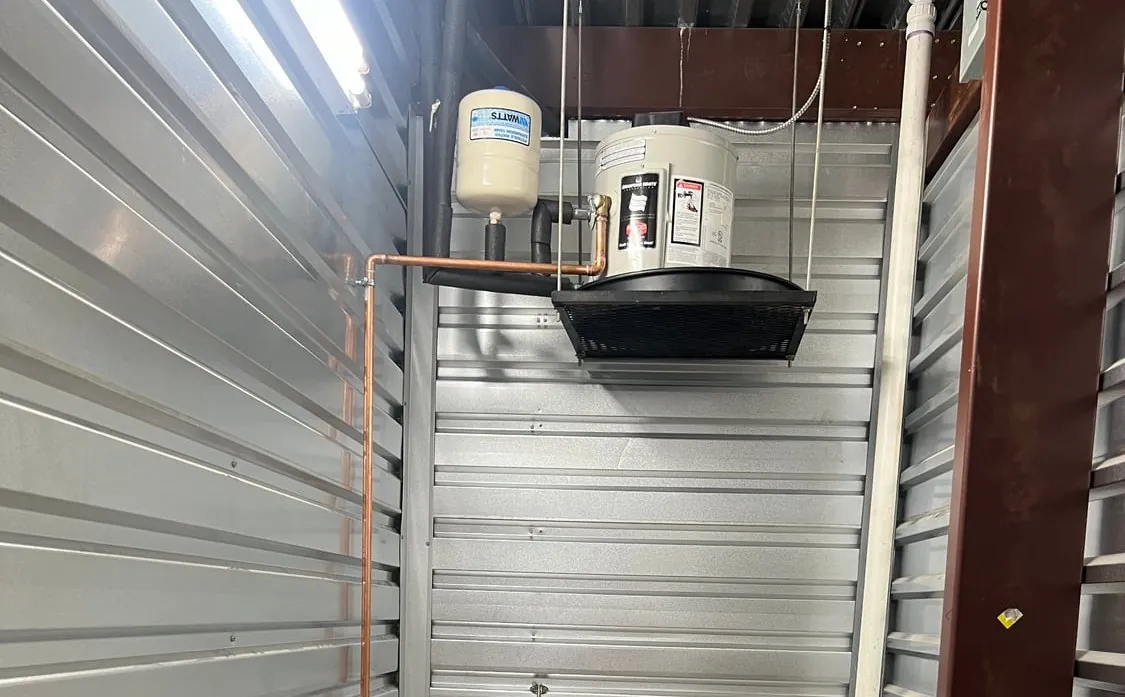
- Expansion tank. Many homes have a closed water system, where water can’t push back into the main when it heats and expands. An expansion tank gives that water somewhere to go.
- Drain pan. A tank in an attic or above a finished room should sit in a pan. The pan drains to a safe spot. If the tank ever leaks, the water goes to the drain instead of into the ceiling.
- Shut-off valves and connectors. New valves and supply lines mean the next repair is easier, and the connections are fresh.
What a replacement looks like with ABD
We handle water heater installation across Huntsville, Madison, Decatur and the rest of north Alabama. On a replacement, we drain and disconnect the old tank and set the new one. Then we make the water connections and the gas or electric hookup. Then we check for leaks, fire it up and make sure it heats. The old tank goes with us.
Before we start, you hear what the new heater is, what the install involves and what it costs.
If your heater is leaking or you have no hot water, call us at (256) 221-2847. Or send a request and we’ll call you back to set a time.